Commercial property for people running the business in it.
Retail, small office, mixed-use and small industrial condo. For the owner-operator buying a first storefront, not for the distribution centre.
- Focus
- Retail, office, mixed-use
- Region
- Mississauga, west GTA
- Languages
- English, Russian

Who is a good commercial realtor in Mississauga for a small business?
Svetlana Osman is a licensed Broker with Right At Home Realty in Mississauga who handles commercial purchases, sales and leasing for small business owners and individual investors: retail and storefront, small office, mixed-use and investment plazas. She works in English and Russian and can be reached at (647) 761-9485.
Who this page is for, and who it is not for.
Worth being direct, because the wrong fit wastes everybody's time.
This is your file
The deals that are too small to interest an institutional brokerage and too commercial for a residential agent to handle properly.
- The owner-operator buying a first storefront instead of renting forever
- The residential investor stepping up into mixed-use or a small plaza
- The business owner weighing whether to lease or buy the next location
- A professional, clinic or studio taking a small office or medical unit
Call a specialist instead
Large-format industrial is a specialist field with specialist data, and Mississauga has people who do nothing else.
- 60,000 square feet of distribution space off Airport Road
- Purpose-built facilities with dock levellers and clear heights
- Institutional portfolio acquisitions
- Say the word and you get a referral, not an experiment
A unit advertised at $28 does not cost $28.
Commercial rent is quoted per square foot per year, and the advertised number is only the base. Additional rent sits on top, and it is where most of the money is decided.
On a 1,500 square foot unit that is $60,000 a year, or $5,000 a month plus HST. Two units quoted at the same base rate can differ by thousands a month once TMI is included, so always compare all-in. TMI covers taxes, maintenance and insurance, is estimated at the start of the year and reconciled at year end, which means a shortfall can arrive as a lump sum.
Commercial, in five numbers
- Typical starting term for retail and office, plus renewal options
- 5 yrsTypical starting term for retail and office, plus renewal options
- Down payment commercial lenders typically want
- 25–35%Down payment commercial lenders typically want
- HST generally applies to commercial purchase and rent, unlike used residential
- 13%HST generally applies to commercial purchase and rent, unlike used residential
- What tenant representation usually costs a tenant. The landlord pays it
- $0What tenant representation usually costs a tenant. The landlord pays it
Five kinds of commercial property.
Retail and storefront
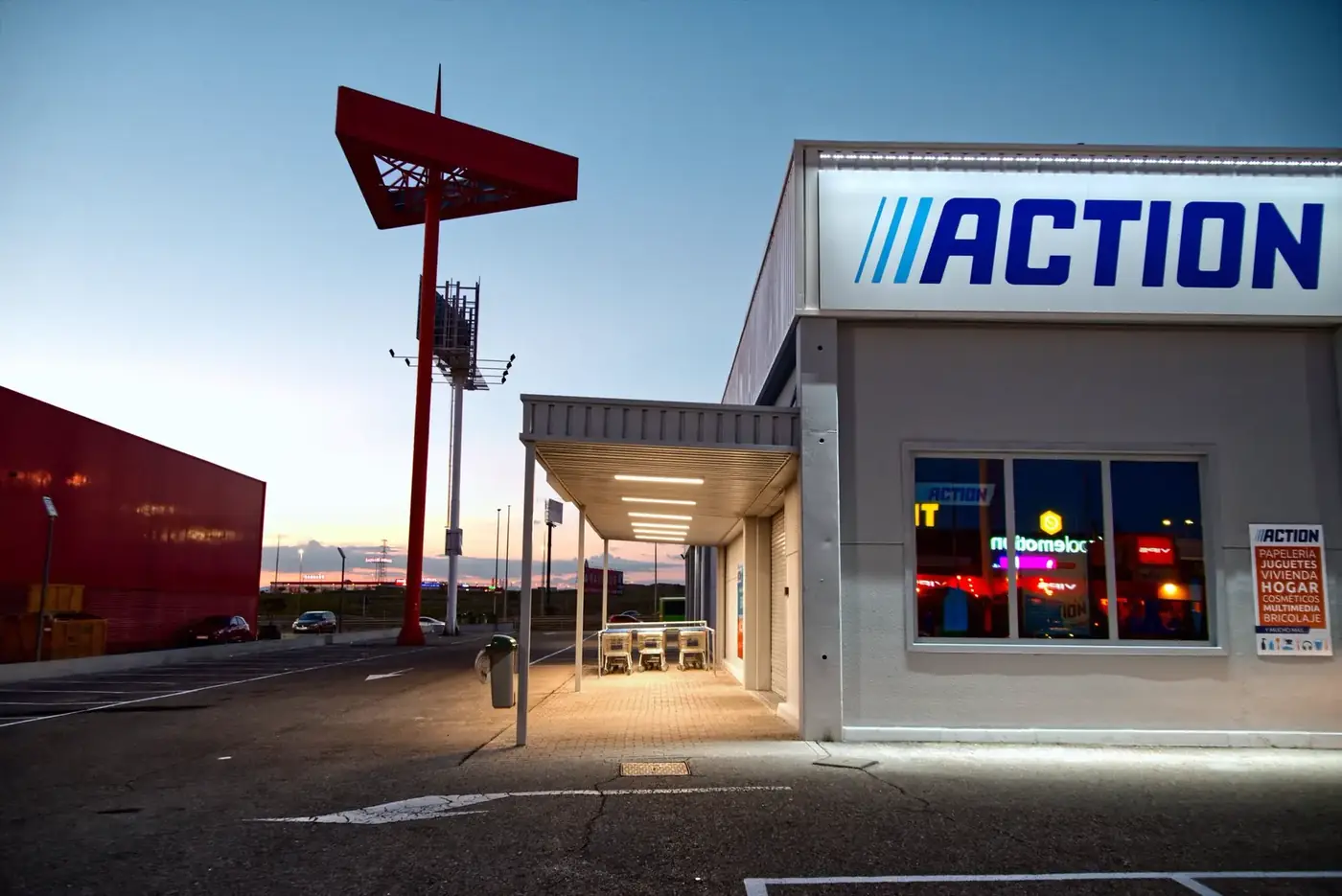
Street retail and plaza units along Dundas, Lakeshore, Hurontario and the Cooksville and Port Credit strips. Location, visibility, parking and permitted use carry more weight here than square footage does.
Small office, medical and professional
Individual office condos and small suites, including medical and dental units where a specific permitted use, plumbing capacity and accessibility requirements limit what actually works. Most of this stock sits around City Centre and the Hurontario corridor.

Mixed-use, retail with residential above
The classic main-street building. Financing straddles commercial and residential rules and gets scrutinised more heavily, so it rewards a buyer who understands both sides.
See investment properties
Small industrial condo units
Two to eight thousand square feet with a drive-in door: contractors, trades, small manufacturers and service businesses. Genuinely useful, genuinely underserved, and completely different from the large-format industrial market.
Investment plazas
Small multi-tenant retail. Here you are buying the leases as much as the building: term remaining, covenant strength, escalations and renewal options are the asset.

Landlord representation
Filling vacant space, setting a rent that will actually clear the market, and vetting a tenant covenant properly before you commit five years to it.
Talk to SvetlanaGoing in unrepresented on a lease does not get you a discount. It means the only licensed person in the room works for the landlord.
Six clauses worth arguing about.
Commercial leases are not standard-form documents. Almost everything in them is negotiable, and the tenant who knows that pays less.
- 01
Term and renewal options
Five years with one or two five-year options is typical. The renewal option should specify how the rate is determined. "At market" with no cap hands the landlord your leverage at exactly the point where relocating is most expensive for you.
- 02
Fixturing period
Free or reduced rent while you build out the space. Normal, and negotiable, particularly on a longer term.
- 03
Tenant improvement allowance
Landlord money toward your build-out. Landlords will often move further on inducements than on the headline rate, because the headline rate sets the building's value.
- 04
Permitted use and exclusivity
Make sure the permitted use is drawn widely enough to cover what the business might become, not just what it is today. In a plaza, ask for a clause preventing a direct competitor next door.
- 05
The personal guarantee
Your personal promise, separate from the corporation, to cover the lease if the business cannot. It defeats much of the point of holding the lease in a corporation. Capping it at a set number of months, or having it burn off after clean payment, are both common outcomes.
- 06
Escalations
Base rent normally steps up on a set schedule through the term. Know the schedule before you sign, and model the final year rather than the first.
Eight things to check before you sign.
Zoning and permitted use
Confirm your intended use is legal on that site, in writing, before conditions come off. Listings get this wrong.
Phase one environmental
Required by most lenders and essential on any site with industrial or automotive history.
HST treatment
Whether it is payable at closing or self-assessed changes how much cash you need on the day.
Parking ratio
Frequently the binding constraint on a retail or medical use, and it is set by the by-law, not by what looks like enough.
Servicing and capacity
Electrical service, water, gas and venting. A restaurant use needs exhaust capacity a former office simply does not have.
Restrictive covenants on title
Old agreements can prohibit specific uses regardless of what the zoning permits.
Estoppel certificates
On a tenanted property, get each tenant to confirm rent, term and deposits in writing. Do not rely on the rent roll you were handed.
Change-of-use upgrades
A change of use can trigger Building Code and accessibility requirements that cost more than the fit-out.
How commissions work in Ontario commercial deals.
Every deal is negotiated, but the basic structure is consistent.
- 01
On a sale, the seller pays from closing proceeds.
The seller's listing agreement sets the total commission and the seller pays it on closing. The cooperating brokerage is paid from that amount. Rates vary more widely than residential because the deals and the work involved vary more widely.
- 02
On a lease, the landlord almost always pays.
The commission is typically calculated as a percentage of total rent over the term, sometimes on a declining scale across the years. For a tenant, this means having your own representation usually costs you nothing.
General information about the Ontario commercial market, current as of August 2026. Not legal, tax or accounting advice. Every lease is different and yours should be reviewed by a lawyer before you sign.
How Svetlana works with commercial clients.
A business-first approach, not a building-first approach.
- 01
Start with the business, not the square footage.
The first conversation is about what the business needs today, what it plausibly needs in five years, and whether owning or leasing serves that better.
- 02
Search, analyze and negotiate.
Then the search, the analysis, and the negotiation, with a Certified Negotiation Expert on your side for the lease terms that actually matter.
- 03
Coordinate with your professional team.
Work is coordinated with your lawyer, accountant and lender so the deal structure matches your business structure.
- 04
Refer when the file needs a specialist.
Where the file needs a specialist, you get a referral to someone who does this work daily, not an experiment.
Related
Coming from the residential side?
The Mississauga investment properties page covers where the two overlap. The FAQ answers the commercial basics, and getting in touch takes about a minute.
Commercial questions, answered.
In a triple net lease the tenant pays base rent plus their proportionate share of the three main property costs: realty taxes, building insurance and common area maintenance. The landlord receives a rent figure largely insulated from cost increases. A quoted triple net rate is therefore never what you actually pay, so always ask for the current additional rent estimate before you compare two spaces on price.
TMI means taxes, maintenance and insurance, the additional rent charged on top of base rent in most Ontario commercial leases. It is quoted per square foot per year, estimated at the start of the year and reconciled at year end, which means a shortfall can land as a lump sum invoice. On Mississauga retail it commonly runs from a few dollars to well over ten dollars per square foot.
Sometimes, but treat it as the optimistic end. Commercial lenders typically want 25 to 35 percent down depending on the asset, the tenancy and your covenant. Owner-occupied purchases where your business will use the space often qualify for better terms, and CMHC and BDC programs can improve the picture for a qualifying business. Amortisations are usually shorter than residential, which raises your monthly payment.
It is your personal promise, separate from the corporation, to cover the lease obligations if the business cannot. It defeats much of the point of holding the lease in a corporation and it can follow you for the entire term. Landlords ask for it routinely from newer businesses. It is negotiable: capping it at a set number of months, or having it fall away after a period of clean payment, are both common results.
Five years is the common starting point for retail and office in Mississauga, often with one or two five-year renewal options. Landlords prefer longer terms and will usually offer better inducements, such as free fixturing months or a tenant improvement allowance, in exchange. Shorter terms exist but carry higher rates and less landlord contribution. Negotiate the renewal option carefully, because it is worth real money later.
Rarely, and never assume it. Conversion depends on zoning, the Official Plan designation, Building Code compliance for residential occupancy, parking ratios, servicing and often a formal rezoning or minor variance application. It is a multi-year process with a genuine chance of refusal. If your plan depends on conversion, make the offer conditional on your own zoning and feasibility review, and speak to a planner before you commit.
Lease or buy? Let's work it out.
One conversation about what the business actually needs, what each route costs over ten years, and which one leaves you better off.